How Assisted Living Communities Ensure Safety and Prevent Falls
A fall can change the way you feel about your own home. Even a minor stumble can leave you second-guessing the stairs, the shower, or that quick trip to the mailbox. Over time, that worry can quietly shrink your routine, keeping you from the activities and people you enjoy most.
If staying safe and steady on your feet has been on your mind, it helps to understand how assisted living communities approach fall prevention. Good safety is never one single feature. It is the combination of thoughtful design, attentive daily support, and an active lifestyle that keeps you strong, connected, and confident. Here is what that looks like in practice and what to look for as you explore your options.
Why Fall Prevention Matters in Assisted Living
Falls rarely come down to one cause. More often, several small factors add up over time.
Muscle strength and balance can gradually change, making it harder to recover if you trip. Certain medications may cause dizziness or drowsiness. Vision changes can make it tougher to judge steps, curbs, and uneven surfaces. At home, everyday hazards like loose rugs, cluttered hallways, dim lighting, and hard-to-reach shelves create even more opportunities for a misstep.
Daily habits play a role, too. Spending long stretches sitting can weaken the muscles that keep you steady, and not drinking enough water can lead to lightheadedness when you stand up too quickly. Strong bones are another piece of the puzzle, and this guide on how older adults can maintain strong bones shares practical ways to support your bone health through diet and movement.
The good news is that each of these risks can be reduced with the right environment and the right support around you.
How Assisted Living Design Supports Safe, Steady Movement
The spaces you live in every day play a big role in preventing falls. Assisted living communities plan apartments and shared areas with your safety in mind, so you can move freely without second-guessing each step.
Safety-Equipped Bathrooms
The bathroom is one of the most common places for slips, particularly when floors are wet and you are moving between the shower, sink, and toilet. Safety-equipped bathrooms, often with features like grab bars, give you something sturdy to hold onto during the moments when you need it most. Small details like these make your morning and evening routines feel easier and far less stressful.
Clear Pathways, Good Lighting, and Smart Layouts
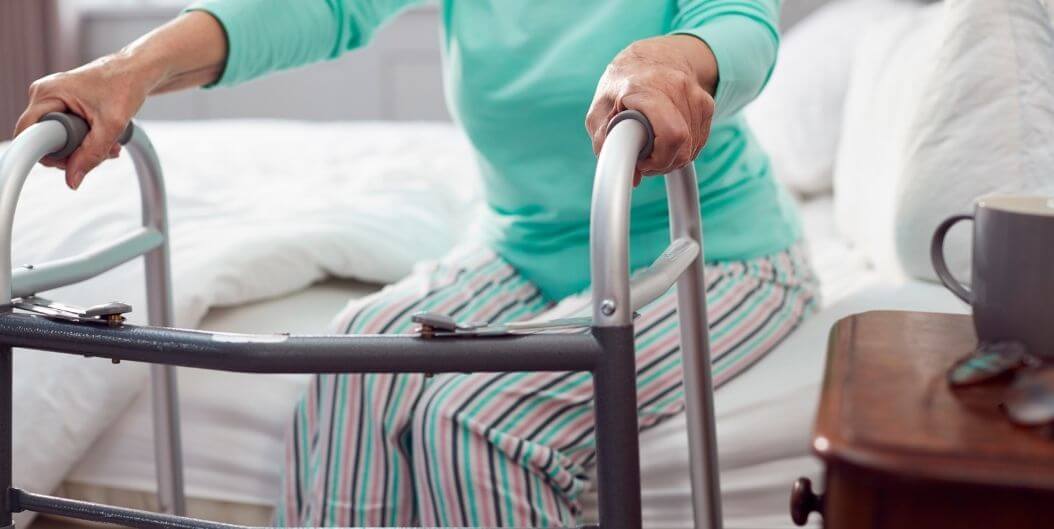
Good lighting helps you spot changes in flooring, furniture edges, and doorways before they become tripping hazards, especially during late-night trips to the bathroom. Open, uncluttered pathways also make it easier to get around comfortably, whether you walk on your own or use a cane, walker, or wheelchair.
If you would like a closer look at how this planning works, this article on how assisted living designs rooms to prevent accidents walks through room layouts, furniture choices, and flooring in more detail.
An Apartment That Fits How You Move
The right apartment size can make a real difference. Some people feel most comfortable in a cozy studio where everything is within easy reach, while others prefer a one-bedroom or two-bedroom layout with a little more room to spread out. As you compare options, it helps to browse the available floor plans and picture how you would move from your bed to the bathroom, kitchen area, and front door, especially at night.
Assisted Living Support That Helps Prevent Falls Before They Happen
Design creates a safe foundation, but people make the biggest difference. In assisted living, support is woven into your day so you can stay independent while having help close by whenever you want it.
Help With Daily Tasks, Including Mobility
Many falls happen during ordinary routines like bathing, dressing, or getting up from a chair. Assisted living offers help with daily activities such as bathing, dressing, hygiene, toileting, and mobility. That support is there during the moments that carry a little more risk, while you stay in charge of the rest of your day.
24/7 Help and Emergency Call Systems
Knowing help is available around the clock brings real peace of mind. Emergency call systems, including pendants and pull cords, let you reach a team member quickly if you feel unsteady, need a hand, or experience a fall. Instead of worrying about what might happen if you are alone, you can go about your day knowing someone will respond.
Medication Management
Some medications can cause dizziness, drowsiness, or changes in blood pressure, all of which can affect your balance. Medication management and administration helps make sure each dose is taken correctly and on schedule, removing one of the less obvious contributors to falls.
Personalized Care Plans That Adjust With You
Your needs are your own, and they may change over time. Individualized care plans allow the level of support to match where you are today, whether that means a little help in the morning or more assistance with getting around. As your routine evolves, your plan can evolve with it.
Staying Active to Build Strength and Balance
One of the best ways to prevent falls is to keep moving. Strength, flexibility, and balance all improve with regular activity, and assisted living makes it easy to build movement into your week.
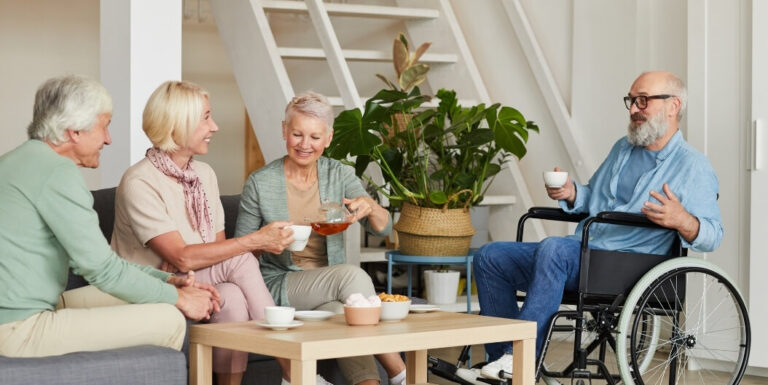
Exercise classes keep your muscles working and your body limber, and an on-site rehab gym offers another place to build strength at your own pace. Many residents find that a regular class becomes one of the highlights of the week, both for the movement and for the friendly faces.
Staying engaged matters just as much as staying fit. A full calendar of games and puzzles, arts and crafts, church services, movie afternoons, and community outings keeps your mind sharp and your days filled with connection. Social activities and hands-on hobbies also encourage you to get up, move around, and stay involved instead of spending long stretches sitting alone.
Everyday Conveniences That Reduce Fall Risks
Some of the most effective fall prevention happens in the background, simply by taking risky chores off your plate.
Housekeeping and laundry services mean no more carrying heavy laundry baskets or climbing on step stools to reach high shelves.
Maintenance services take care of repairs and upkeep, so you never have to stand on a ladder to change a light bulb or fix a loose fixture.
Restaurant-quality meals and snacks are prepared on-site, so you can skip the hassle of driving to the store, carrying heavy grocery bags, and standing at the stove for long periods.
On-site amenities like a salon and barbershop, library, and dining room put the things you enjoy close to home, which means fewer trips out and more time for what you love.
Each of these conveniences removes a small daily risk. Together, they give you more time and energy for the parts of life that matter most to you.
Common Questions About Fall Prevention in Assisted Living
Will moving to assisted living mean giving up my independence?
Not at all. Assisted living is designed to support your independence, not replace it. You keep your own private apartment, choose how you spend your days, and decide which activities to join. Support is simply available when you want it.
What happens if I do fall?
With 24/7 help and emergency call systems like pendants and pull cords, assistance is never far away. A quick response can make a meaningful difference in your comfort and recovery.
Can I still get out and enjoy time beyond the community?
Absolutely. Community outings give you a chance to explore, shop, and enjoy new experiences with friends, while support remains part of your routine back home.
How do I know which apartment is right for me?
Think about how you move through your day now and what would make it easier. Touring in person is the best way to see apartment layouts, test out the spaces, and ask questions about the support available.
Fall Prevention in Assisted Living at a Glance
Fall prevention in assisted living comes from many thoughtful pieces working together: safety-equipped apartments, help with daily tasks, around-the-clock support, regular exercise, and conveniences that take risky chores off your list. With all of that in place, you can spend less time worrying about your next step and more time enjoying where it takes you.
Feel Safe, Steady, and Free to Enjoy Every Day at The Heritage Tomball Senior Living
At The Heritage Tomball Senior Living in Tomball, Texas, we believe feeling safe is what gives you the freedom to enjoy every day. Our Assisted Living residents benefit from 24/7 help, safety-equipped bathrooms, pendants and pull cords, assistance with daily living, and medication management, all paired with exercise classes, a rehab gym, and a full calendar of activities that keep life active and social.
If you are ready to see how confident and comfortable daily life can feel, we would love to show you around. Schedule a tour to explore our apartments, meet our care associates, and experience our welcoming community for yourself.